Keyboard & piano classes in Kathmandu
Structured keyboard classes for all levels, with hands-on sessions supported by live music. Learn melodies, chords and accompaniment on the instrument that drives today's Nepali songs and stage shows.
- All levels
- Kids & adults
- Keyboard & piano basics
- In person & online
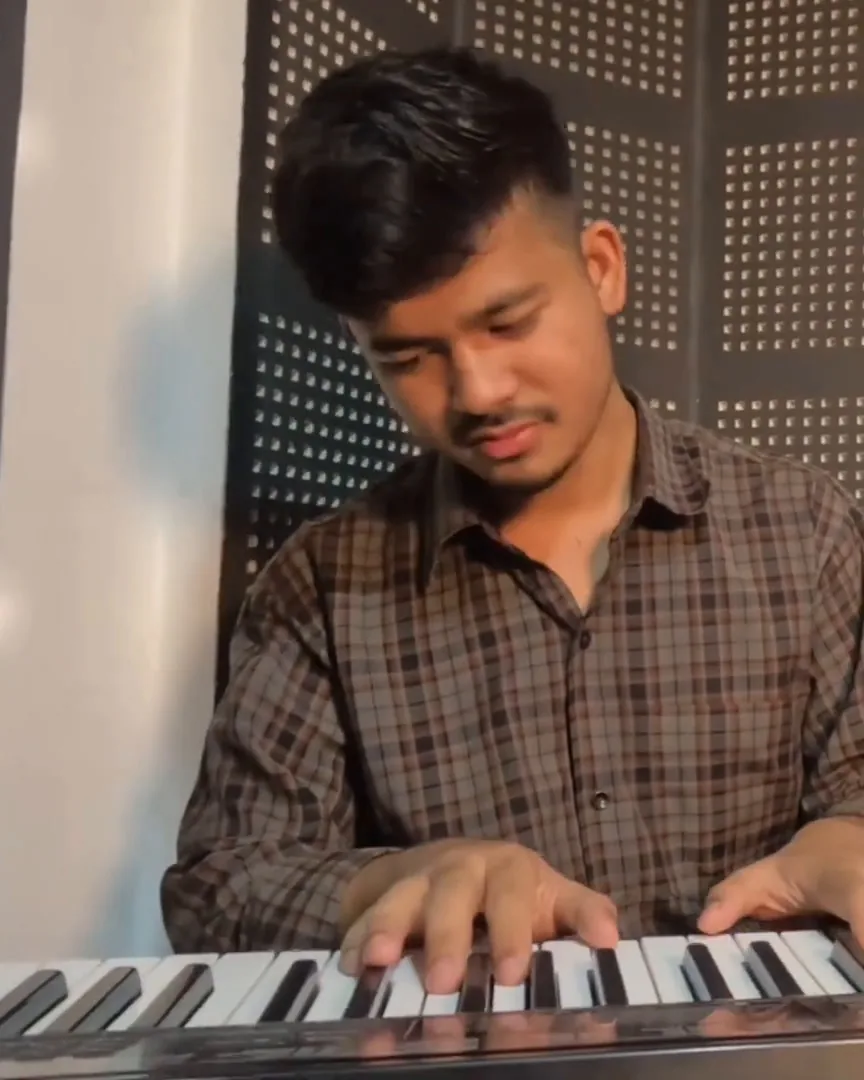
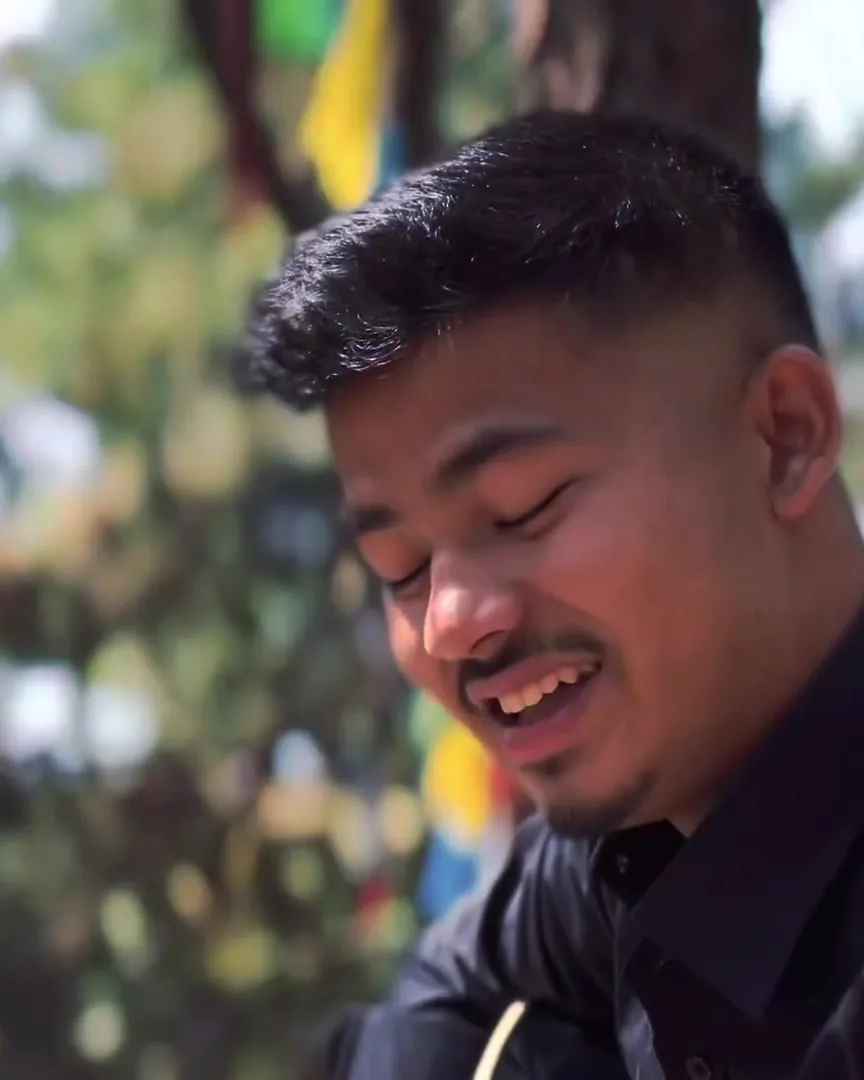 Your instructorSamir PariyarKeyboard · The Voice of Nepal S4
Taught by the people who arrange the music
Our studio team collaborates with the academy on specialised keyboard classes: lessons come from the people who play and arrange the music at Daju Bhai Studio. Keyboard instructor Samir Pariyar plays keys on many ECA covers and studio sessions.
The electronic keyboard is the all-rounder of modern Nepali music: melody, chords, strings and pads, and rhythm accompaniment in one instrument, at home in bands, stage shows and studios. Students who want classical piano can move on to an 88-key weighted digital piano.
Our students play everything from Bach's Minuet in G to the Malshree dhun, and visiting children from the United States and Australia have learned keyboard with us during their holidays.
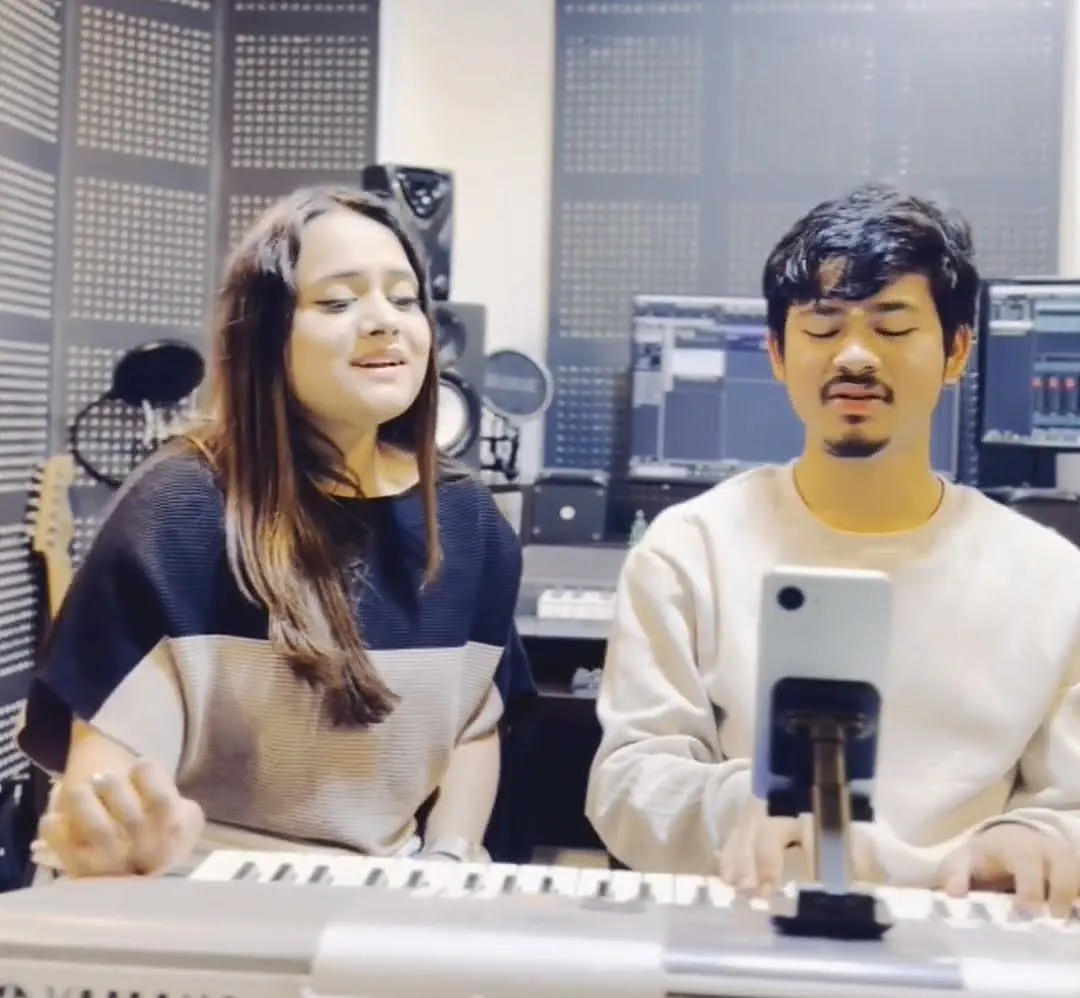 Keys & vocals in the studio
Melody, chords & accompaniment
Keyboard trains both hands, your reading and your ear at the same time.
Melody & reading
Five-finger positions, right-hand melodies of familiar songs, and reading notes and sargam.
Chords & progressions
Triads, inversions and common progressions (I–IV–V–vi), and playing songs from chord charts.
Scales & technique
Major and minor scales with correct fingering, hands together and beginner sight-reading.
Band & arranging
Tones, rhythms, splits and layers, accompanying singers, and MIDI and music-software basics.
From first lesson to the stage
Four stages most students move through. Your teacher sets the pace for your age, level and goals.
First melodies
- Posture, hand shape and finger numbers
- Five-finger C position
- Right-hand melodies of familiar songs
- Reading basic notes and sargam
- Simple left-hand chords: C, F, G
- Using tones, rhythms and the metronome
Hands together
- Hands together
- Major and minor scales with fingering
- Chord inversions
- Common progressions (I–IV–V–vi)
- Auto-accompaniment and styles
- Beginner sight-reading
Play by ear
- All major and minor scales and arpeggios
- Seventh chords
- Transposing to suit a singer
- Playing by ear
- Intros and interludes of Nepali songs
- Accompanying vocalists
Band & studio
- Band keyboard: pads, strings, splits and layers
- Live sound basics
- MIDI and music-software basics for arranging
- Playing at the Monthly Programme
A typical path based on standard teaching practice for this instrument, not a fixed ECA syllabus. Your teacher adapts it to you.
Learn from a working keyboardist
Samir Pariyar, who also manages the academy, accompanies our singers on stage and in the studio, from the Monthly Programme to Nagendra Rai's Tihar mashup.
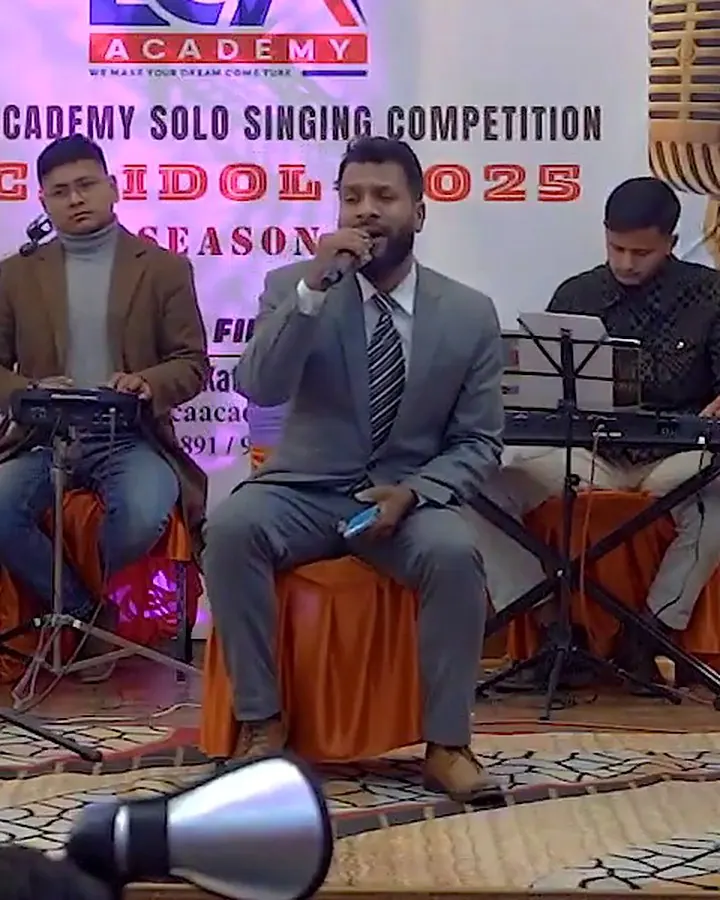
Inside our keyboard classes
Real clips from our classes, rehearsals and stage, posted on ECA's TikTok and YouTube.
Keyboard clips
Classes, duets and ensemble pieces.
Which keyboard to buy?
Your first keyboard
Start on a 61-key, full-size, touch-sensitive keyboard: a Casio CT-S100 costs about Rs 19,800 and a Yamaha PSR-E373 with stand about Rs 40,000 in Kathmandu shops (prices vary). Choose an 88-key weighted digital piano for serious piano. ECA Music Store can advise.
A little practice
At least 15 minutes a day, six days a week. You will also need a stand and an adapter for home practice.
Try 2–3 classes before you pay
Book your demo class
Take 2–3 demo classes with our teachers before you pay the monthly fee. Call or email us to choose your class and batch. Open Sunday to Friday, 9 AM – 6 PM.
Keyboard class questions
What age can my child start keyboard?
Often around 5 years, once a child can focus for about 15 minutes and the hands can span the keys.
Keyboard or piano?
Start on a 61-key, touch-sensitive keyboard. If you want serious classical piano or piano exams, move to an 88-key weighted digital piano.
Do I need my own keyboard?
Yes for home practice, even a basic one, plus a stand and an adapter.
Is keyboard good for adults?
Yes. It is one of the easiest instruments for adults to start, because you can play chords early.
Can I learn keyboard online?
Yes. Keyboard works well online with a phone mounted above the keys.
You might also love
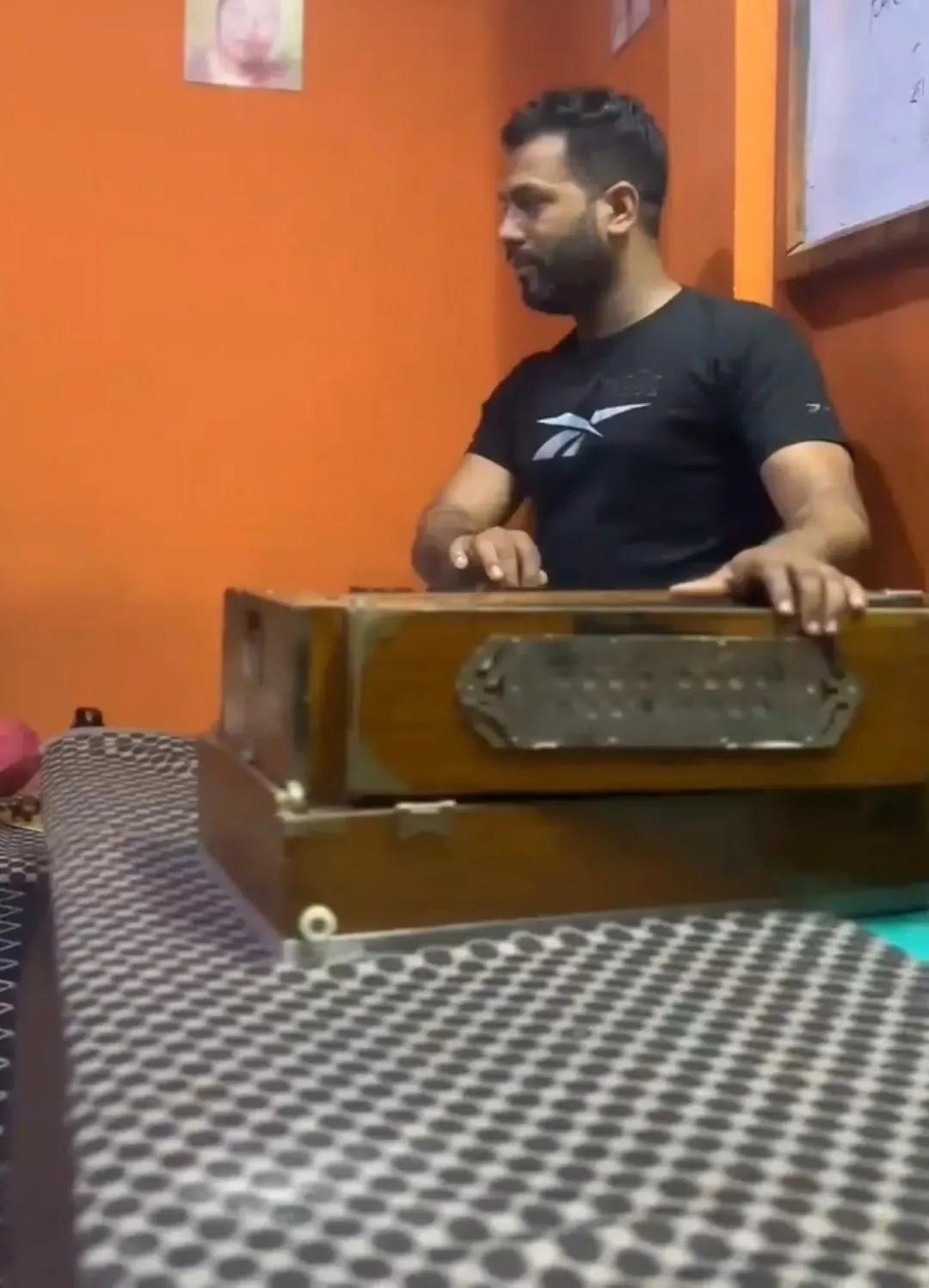
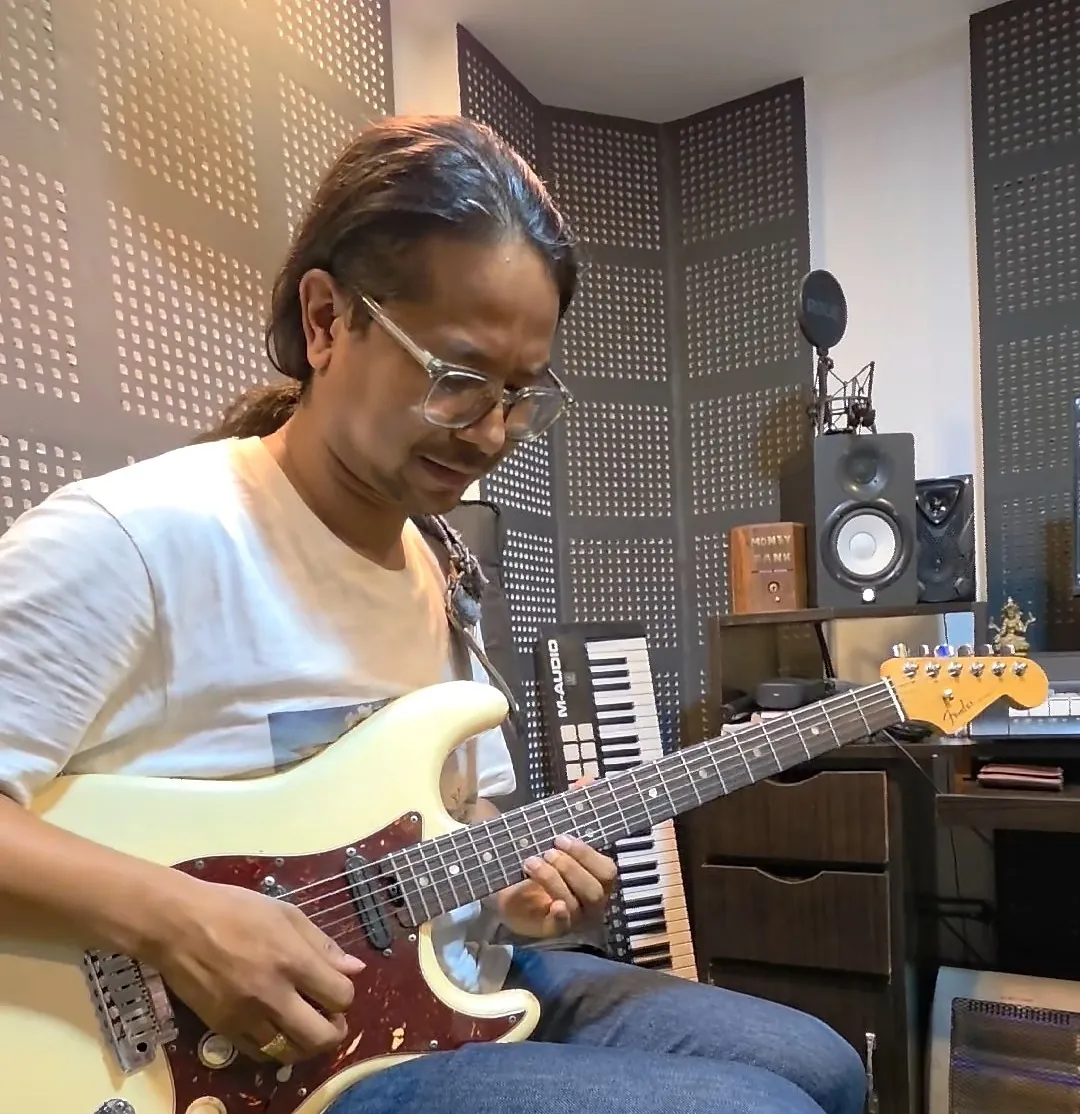
Take 2–3 demo classes, then decide.
Meet your teacher, try the class and see our studio and stage. Open Sunday to Friday, 9 AM – 6 PM, opposite Chabahil Stupa.